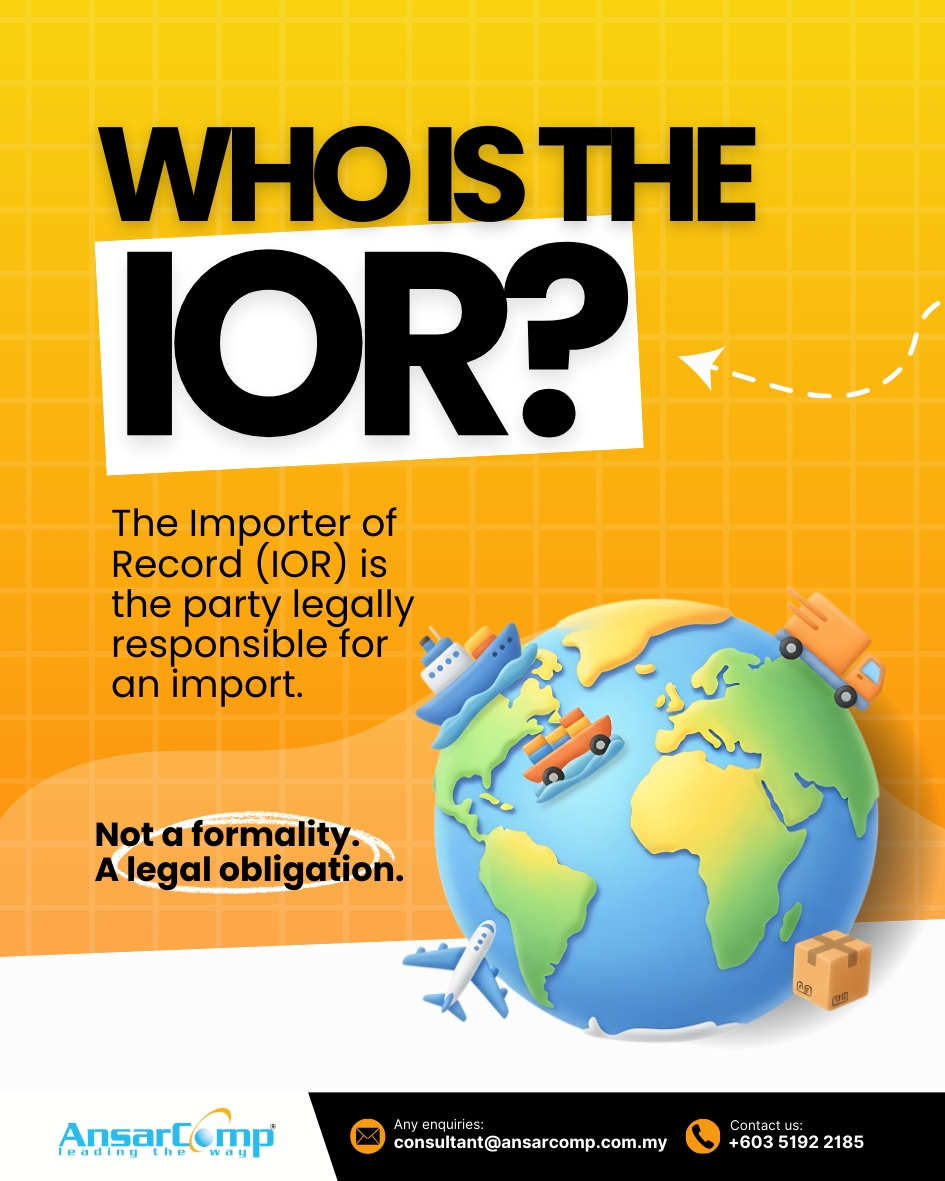
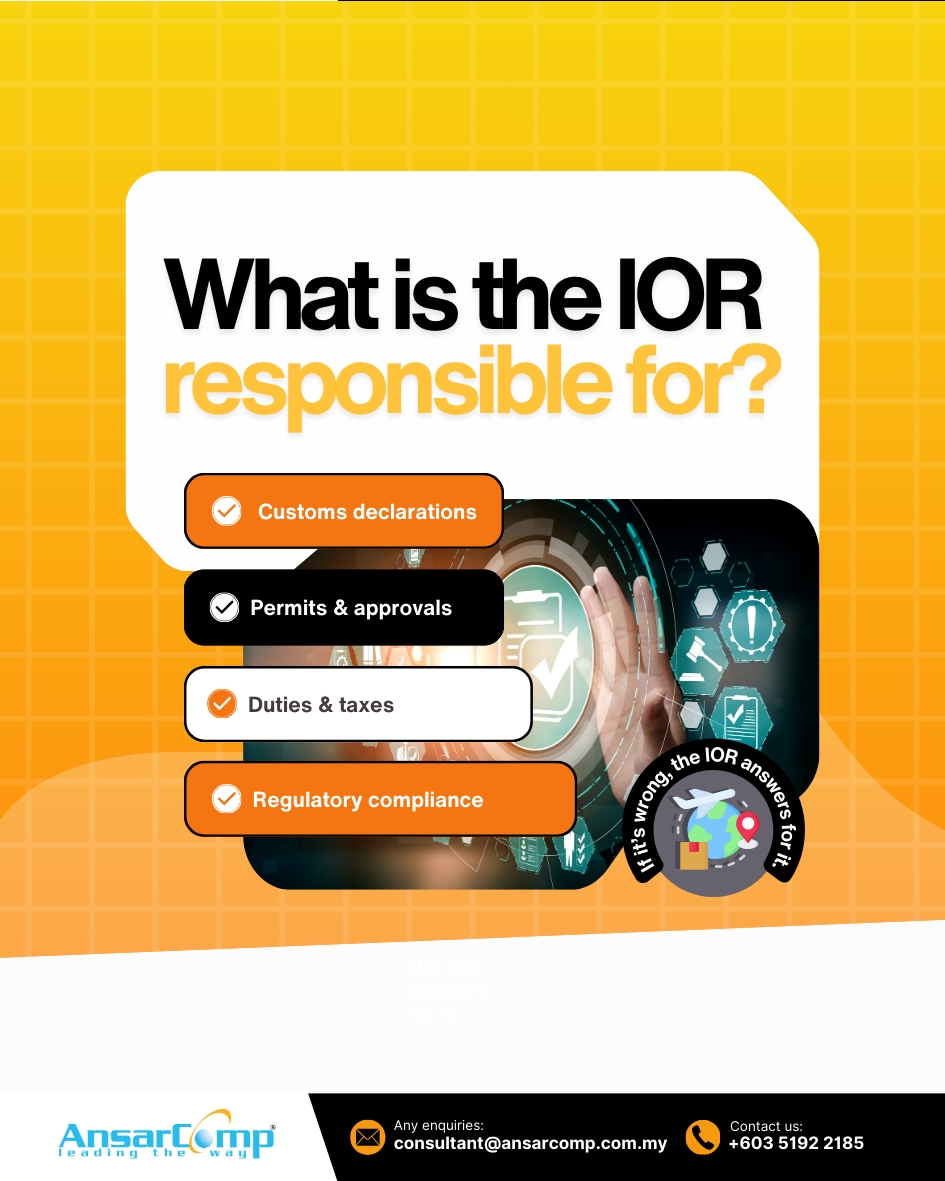
In international trade, the role of the Importer of Record (IOR) is frequently misunderstood as a routine administrative checkbox, a name required on customs paperwork with little strategic consequence. In reality, it represents one of the most critical legal obligations in cross-border commerce. The IOR is the legally designated entity held fully accountable by customs and regulatory authorities for every aspect of an import transaction: accurate goods classification, correct valuation, proper documentation, payment of duties and taxes, and compliance with all applicable national regulations, from product safety standards and import licenses to sanctions, environmental rules, and data privacy requirements.
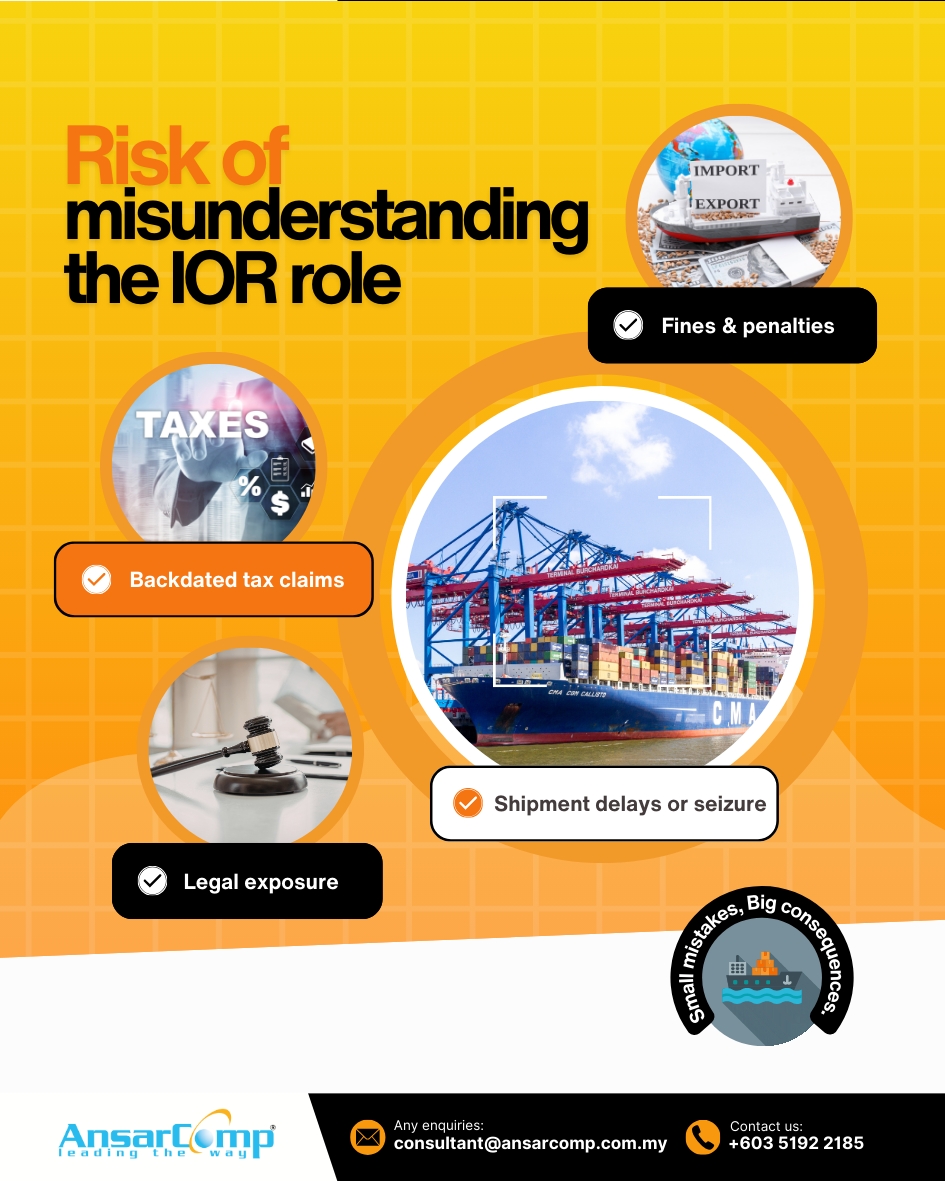
When goods enter a country, customs authorities do not seek a facilitator. They identify one legally responsible party. If discrepancies arise, whether due to misclassification, undervaluation, incomplete declarations, or non-compliance with regulatory mandates, it is the IOR who bears the legal, financial, and operational consequences. Penalties may include substantial fines, shipment seizures, mandatory audits, suspension of import privileges, and even criminal liability in severe cases.
Despite this, many businesses attempt to circumvent direct IOR responsibility by nominating third parties, such as freight forwarders, local agents, or distributors, as the importer of record. However, such arrangements rarely eliminate risk. In fact, they often obscure accountability, complicate incident response, and leave the original brand or seller exposed when enforcement actions occur. Regulatory agencies increasingly scrutinize these structures, especially in e-commerce and high-risk sectors, and may hold the ultimate beneficiary of the import equally liable under joint and several liability principles.
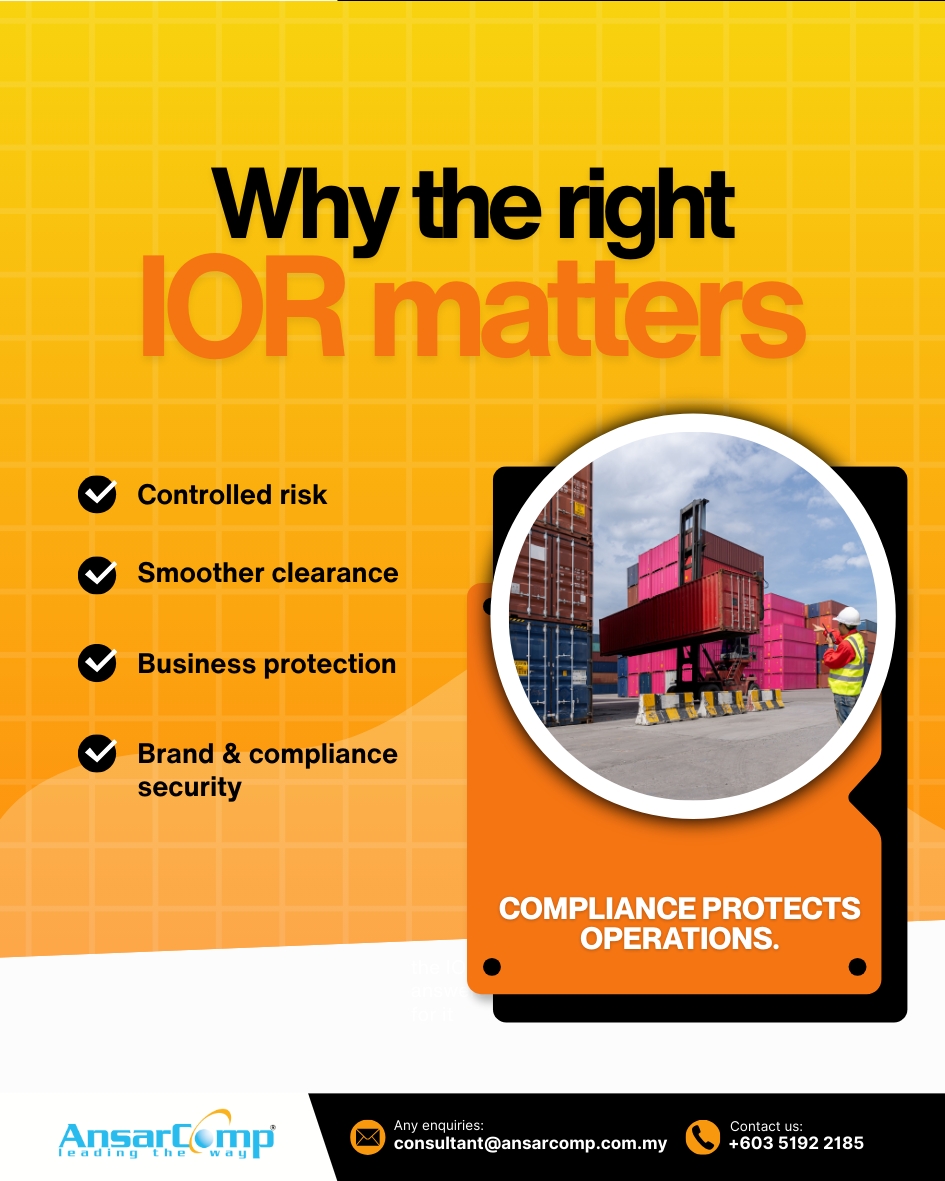
A well-structured, transparent IOR framework is not merely a compliance tactic. It is a strategic imperative. By formally establishing a qualified, knowledgeable, and legally compliant IOR, businesses can:
– Ensure accurate and defensible customs declarations, minimizing the risk of penalties or delays
– Maintain ongoing compliance with evolving regulatory landscapes across multiple jurisdictions
– Reduce exposure to supply chain disruptions, including holds, inspections, or confiscations at the border
– Build a reputation for reliability and integrity with customs authorities, potentially qualifying for trusted trader programs such as AEO status
– Protect their brand from reputational harm linked to non-compliance or unethical sourcing practices
Ultimately, compliance in global trade is not about paperwork. It is about risk governance, operational resilience, and corporate accountability. Shortcuts may offer temporary convenience, but in an era of heightened regulatory scrutiny, digital traceability, and geopolitical trade controls, they pose significant long-term threats.
Therefore, any organization engaged in importing, whether directly or through partners, must treat the IOR role with the seriousness it demands. It is not a bureaucratic formality, but a foundational pillar of ethical, sustainable, and legally sound global operations.
Choose responsibility. Embed compliance. Secure your global future.